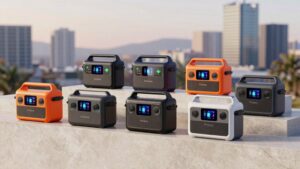
8 Best Portable Power Stations for Power Outages in 2026
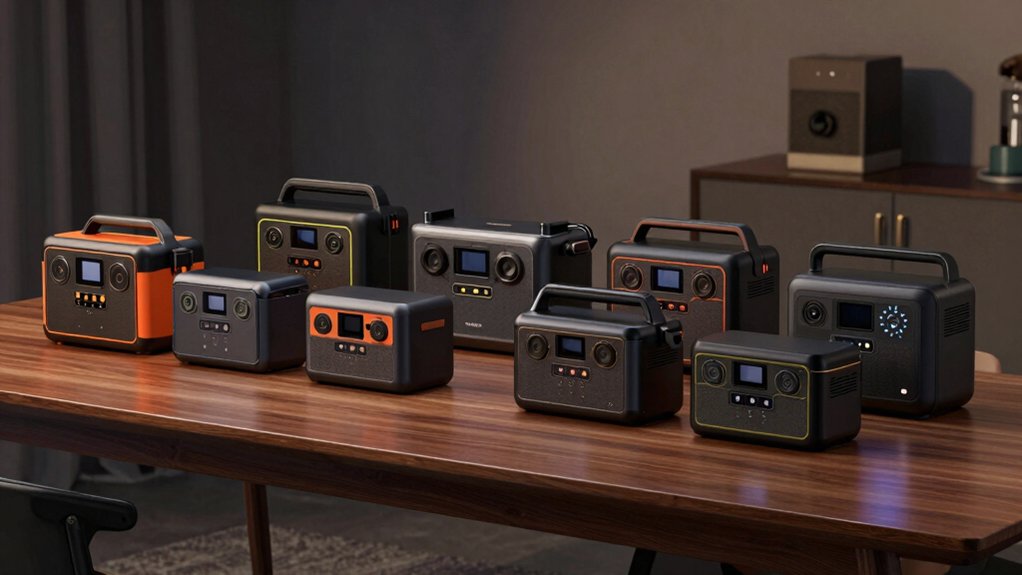
When it comes to portable power stations for outages in 2026, top picks include the Jackery Explorer 1000 v2 and Anker SOLIX C1000 Gen 2 for high capacity and output.
For lighter options, check out the Jackery Explorer 300 and MARBERO Portable Power Station 88Wh.
If solar charging is a priority, consider GRECELL models.
Each option offers unique features to meet your needs.
Keep exploring to uncover in-depth comparisons and detailed insights on these power solutions.





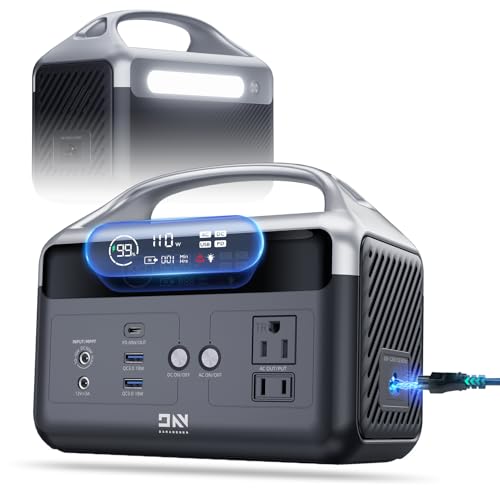

More Details on Our Top Picks
Jackery Portable Power Station Explorer 300
If you’re looking for a lightweight and efficient backup power solution for camping trips or unexpected outages, the Jackery Portable Power Station Explorer 300 stands out with its impressive 293Wh capacity. Weighing just 7.1 pounds, it’s easy to carry.
You can power up to six devices simultaneously with its two pure sine wave AC outlets and additional USB ports. It recharges quickly; hitting 80% in just two hours via a wall outlet. The solar compatibility with the SolarSaga 100 panel means you can harness the sun’s energy. This feature makes it perfect for outdoor adventures or emergency situations when traditional power isn’t available.
- Capacity:293Wh
- Output Ports:5 ports
- Weight:7.1 lbs
- Battery Type:Lithium-ion
- Solar Compatibility:Yes (with SolarSaga 100)
- Use Cases:Camping, road trips, emergencies
- Additional Feature:Lightweight design for backpacking
- Additional Feature:2 hours to 80% recharge
- Additional Feature:Pure Sine Wave outputs
MARBERO Portable Power Station 88Wh for Camping
Looking for a reliable power source during your camping trips? The MARBERO Portable Power Station 88Wh is perfect for your needs. Weighing just 1.04 kg, it’s compact and easy to carry.
With 8 output ports, including USB and AC, you can power multiple devices simultaneously. Its lithium-ion battery charges quickly; it reaches 80% in just 2 hours. You can even use solar panels for eco-friendly charging.
Built-in safety features, like voltage control and automatic shutoff, ensure peace of mind. Whether you’re powering a fridge or a laptop, this power station keeps you connected wherever you go.
- Capacity:88Wh
- Output Ports:8 ports
- Weight:2.29 lbs
- Battery Type:Lithium-ion
- Solar Compatibility:Yes (optional solar panel)
- Use Cases:Camping, home backup, outdoor activities
- Additional Feature:Compact, ergonomic handle
- Additional Feature:Built-in lighting with SOS
- Additional Feature:Simultaneous charging capability
Jackery Explorer 1000 v2 Portable Power Station
The Jackery Explorer 1000 v2 Portable Power Station is ideal for anyone seeking reliable power during outages or while off-grid. With a 1070Wh LiFePO4 battery and a robust 1500W AC output, it ensures you can run essential devices like fridges and AC units.
Weighing just 23.8 lbs, its foldable handle enhances portability for camping or emergencies. Enjoy fast charging options via the Jackery App and PD 100W USB-C. With multiple outlets and a lifespan exceeding 10 years, this power station’s versatility makes it perfect for various scenarios. It ensures you stay powered wherever life takes you.
- Capacity:1070Wh
- Output Ports:7 ports
- Weight:23.8 lbs
- Battery Type:LiFePO4
- Solar Compatibility:Yes (compatible with Jackery solar panels)
- Use Cases:Home backup, emergencies, off-grid living
- Additional Feature:1 hour fast charge
- Additional Feature:App-controlled charging features
- Additional Feature:10+ year implied longevity
GRECELL 300W Portable Power Station Solar Generator
Searching for a portable power station that combines efficiency and versatility? The GRECELL 300W Portable Power Station Solar Generator is your answer. With a 230.88Wh capacity and 300W output (600W surge), it powers everything from laptops to mini-refrigerators.
It features one AC outlet, multiple USB ports, and a car port; ensuring you’ve got options. Weighing just 7.3 pounds, it’s perfect for camping or home backup during blackouts. You can recharge it via AC, solar, or car outlet.
Plus, its advanced battery management system ensures safety and longevity. This makes it a reliable choice for your power needs.
- Capacity:230.88Wh
- Output Ports:6 ports
- Weight:7.3 lbs
- Battery Type:Lithium
- Solar Compatibility:Yes (built-in MPPT for solar)
- Use Cases:Camping, travel, home backup
- Additional Feature:Built-in MPPT controller
- Additional Feature:Dual cooling fans
- Additional Feature:Metal and plastic housing
240W Portable Power Station with 7 Ports
Need reliable power during camping trips or emergencies? The GRECELL 240W Portable Power Station with 7 ports is your go-to solution. Weighing just 4.5 pounds, it’s compact and easy to carry.
With a capacity of 153.6Wh and multiple output options including a 100W USB-C PD for fast charging, you can power multiple devices simultaneously. The built-in LED light and phone stand add convenience; the LiFePO4 battery ensures safety and longevity.
Whether you’re camping or need home backup, this power station delivers dependable energy when you need it most. Just remember, a wall charger isn’t included.
- Capacity:154Wh
- Output Ports:5 ports
- Weight:5.3 lbs
- Battery Type:LiFePO4
- Solar Compatibility:Not specified
- Use Cases:Camping, outdoor activities, emergency backup
- Additional Feature:Compact and portable design
- Additional Feature:Built-in phone stand
- Additional Feature:SOS and lighting modes
Anker SOLIX C1000 Gen 2 Portable Power Station
For anyone seeking reliable power during emergencies or outdoor adventures, the Anker SOLIX C1000 Gen 2 Portable Power Station stands out with its impressive 2,000W output and rapid recharge capabilities. You’ll appreciate its 1,024Wh LiFePO4 battery, which fully charges in just 49 minutes.
With ten ports, it’s perfect for powering multiple devices, whether at home or on the go. The ultra-fast recharging via the Anker app and 1.8-hour solar recharge ensures you stay powered off-grid. Plus, its 10 ms UPS backup is essential for essential equipment.
Lightweight and durable, it’s built to last for years of reliable use.
- Capacity:1024Wh
- Output Ports:10 ports
- Weight:24.9 lbs
- Battery Type:LiFePO4
- Solar Compatibility:Yes (up to 600W)
- Use Cases:Home backup, camping, remote work
- Additional Feature:UltraFast recharging technology
- Additional Feature:TOU Mode for efficiency
- Additional Feature:10 ms UPS backup
DaranEner Portable Power Station 60,000mAh Battery Backup
The DaranEner Portable Power Station 60,000mAh Battery Backup stands out for its impressive 192Wh capacity. This makes it an ideal choice for anyone seeking reliable power during emergencies, outdoor adventures, or travel. Weighing just 5.73 lbs, it’s compact and easy to carry.
With two 300W AC outlets and various USB options, you can charge phones, laptops, and even CPAP machines. Its fast charging capabilities and solar compatibility ensure you’re never left in the dark. Plus, built-in safety features protect against overcharging and overheating, giving you peace of mind.
This power station truly meets your essential energy needs wherever you go.
- Capacity:192Wh
- Output Ports:5 ports
- Weight:5.73 lbs
- Battery Type:LiFePO4
- Solar Compatibility:Yes (max 60W DC input)
- Use Cases:Hurricane emergency, camping, travel
- Additional Feature:Built-in LED flashlight
- Additional Feature:2-hour fast charging
- Additional Feature:3500+ battery cycles
Anker SOLIX C1000 Portable Power Station 1800W
Looking for a reliable power source during outages or outdoor adventures? The Anker SOLIX C1000 Portable Power Station delivers 1800W output and has a robust 1056Wh LiFePO4 battery, ensuring you stay powered for the long haul.
Weighing just 27.6 lbs, it’s easy to transport at 14.8L x 8.07W x 11.02H. With 11 outlets and rapid UltraFast recharging: 80% in only 43 minutes, you’ll be ready in no time. Plus, its solar capability allows for eco-friendly recharging.
Whether for home backup or camping, the Anker SOLIX C1000 is your go-to solution for dependable power.
- Capacity:1056Wh
- Output Ports:11 ports
- Weight:27.6 lbs
- Battery Type:LiFePO4
- Solar Compatibility:Yes (solar panel connector included)
- Use Cases:Home backup, camping, RV use
- Additional Feature:UltraFast charging under 1 hour
- Additional Feature:App-based customization features
- Additional Feature:Solar panel connector included
Factors to Consider When Choosing Portable Power Stations for Power Outages
When you’re choosing a portable power station for outages, several key factors come into play. You’ll need to assess your power capacity requirements, the variety of output ports, and available charging options.
Don’t forget to consider weight and portability. Along with the differences in battery types, you can find the perfect fit for your needs.
Power Capacity Requirements
How do you determine the right power capacity for your portable power station during an outage? Start by calculating your essential devices’ total wattage. Typically, you’ll need a continuous draw of 300–1000W; ensure the station can provide this for several hours.
Remember, if you plan to run a 600W load for 3 hours, you’ll need at least 1800Wh, plus some headroom for safety. Higher power capacities often come with more heavy-duty outlets and better surge tolerance for those initial startup loads.
Additionally, consider lithium-ion or Lifepo4 chemistries for longer cycle life and reliability. Matching your station’s capacity to your expected load duration is crucial to avoid rapid depletion during critical times.
Output Ports Variety
What factors should you consider for output ports when choosing a portable power station for power outages? A wider mix of output ports, like AC, USB-C PD, USB-A, and car DC, lets you power multiple devices simultaneously. Look for USB-C PD ports supporting 60W–100W for faster charging of laptops and tablets; this minimizes downtime. If you have sensitive electronics, opt for pure sine wave AC outlets to avoid performance issues or damage.
Multi-port configurations, such as two AC outlets plus several USB ports, enable you to run essential appliances like modems, small fridges, and lights at the same time. Finally, ensure there are individual high-wattage ports to prioritize critical devices without overloading your power station.
Charging Options Available
While selecting a portable power station for power outages, it’s essential to consider the variety of charging options available. Most models provide wall AC charging, car charging, and solar panel capabilities; this ensures you can recharge during outages or in off-grid conditions.
Fast charging options are crucial. Some units reach 80% in about two hours using AC or USB-C PD inputs. If you’re considering solar, check for panel compatibility and built-in MPPT controllers; these enhance recharging efficiency. The maximum recharge rate, like 600W for solar input or 1,600W for hypercharging, significantly impacts how quickly you can restore power.
Lastly, battery chemistry affects long-term reliability. Look for models that use durable types like LiFePO4.
Weight and Portability
When choosing a portable power station for power outages, weight and portability are essential factors to consider. Heavier units often provide higher capacities and longer runtimes; however, they can be challenging to transport, especially during emergencies. If you prioritize portability, lightweight models (under 8–10 pounds) might suit you better, though they may sacrifice total energy capacity.
Compact dimensions also help when navigating tight spaces like kitchens or cars. Look for features like foldable handles and integrated carrying solutions, which make it easier to carry with one hand. Additionally, comparing weight per watt-hour can help you determine the most efficient option; this balances power output with transportability for your specific needs.
Battery Type Differences
Selecting the right battery type is just as important as considering weight and portability. LiFePO4 batteries stand out due to their longer cycle life; they often last 3,000–4,000+ cycles and provide improved thermal stability. This chemistry also lowers the risk of thermal runaway, making it a safer choice compared to standard lithium-ion packs.
When it comes to usable capacity, LiFePO4 allows for deeper cycling, maintaining stable output over time. Many power stations utilize LiFePO4 for longevity; they often exceed a decade of reliable use. Additionally, battery charge and discharge performance can vary significantly, so check for fast recharge capabilities and the built-in battery management system (BMS) to ensure efficiency during power outages.
Safety Features Importance
Choosing a portable power station isn’t just about capacity and portability; safety features play an essential role in ensuring reliable operation during power outages. Look for a unit with a Battery Management System (BMS) that includes overcharge, overcurrent, short-circuit, and temperature protections.
Opt for LiFePO4 chemistry for its safety and longevity, offering thousands of cycles without compromising performance. A pure sine wave inverter is crucial for protecting sensitive electronics from power irregularities. Additionally, features like automatic shutoff or overload protection help prevent damage when your devices draw too much power.
Lastly, make sure the station has short-circuit protection and built-in cooling systems to maintain safe operating temperatures during extended use. Safety should always be a priority!
Solar Compatibility Considerations
How do you ensure your portable power station is ready for solar charging during an outage? First, check the unit’s MPPT controller and its maximum solar input wattage. These factors determine how quickly it recharges under sunlight. Look for models that specify compatible solar panels, as you’ll need the right connector or adapter to optimize charging efficiency.
Consider lithium-based packs, like LiFePO4, which handle more charge cycles and maintain capacity better for solar use. Also, ensure the continuous output rating aligns with the solar input capacity; this way, you can recharge while powering devices simultaneously. Lastly, remember that real-world solar recharge times depend on panel wattage and weather conditions; these factors affect downtime during outages.
Warranty and Support Options
When assessing warranty and support options for portable power stations, what key factors should you keep in mind? First, look for a clear warranty period. For instance, Anker covers its SOLIX models for five years; others might only offer one. Confirm what’s included in the warranty: battery, workmanship, and defects are crucial.
Check if the manufacturer provides extended or transferable warranties and how you can reach support: phone, email, or chat. Ensure replacement parts and battery cells are available and affordable for long-term maintenance.
Also, evaluate customer support‘s responsiveness and reputation, including average response times. Finally, consider documented safety certifications and whether the brand offers app-based diagnostics or remote assistance to monitor your power station’s health.
Frequently Asked Questions
How Long Do Portable Power Stations Typically Last During a Power Outage?
Portable power stations typically last between 3 to 10 hours during a power outage, depending on their capacity and the devices you’re powering.
You’ll want to plan your usage to maximize their effectiveness.
Can I Recharge a Power Station While Using It?
Yes, you can recharge a power station while using it; however, it may reduce the overall efficiency and charging speed. Always check the manufacturer’s guidelines to ensure optimal performance.
This will help you avoid potential issues during use.
What Is the Average Charging Time for These Devices?
The average charging time for portable power stations varies; it typically ranges from 4 to 8 hours. Depending on the model and battery capacity, some can charge faster or slower. Therefore, check the specifications.
Are Portable Power Stations Safe to Use Indoors?
Yes, portable power stations can be safe to use indoors as long as they’re designed for indoor use. Always check the manufacturer’s guidelines, guarantee proper ventilation, and avoid overloading the device to prevent any hazards.
How Do I Maintain My Portable Power Station for Longevity?
To maintain your portable power station for longevity, keep it charged regularly. Store it in a cool, dry place, and avoid extreme temperatures. Inspect connections and cables frequently.
Follow the manufacturer’s maintenance guidelines.
Conclusion
When it comes to dealing with power outages, investing in a reliable portable power station can make all the difference. Each option on this list offers unique features to suit your needs, whether you’re camping or preparing for emergencies at home.
Consider your power requirements and portability preferences to find the perfect fit. With the right portable power station, you’ll stay powered up and ready for anything; this ensures peace of mind when the lights go out.